Rhinoplasty (Nose Reshaping)

Precision reshaping for functional improvement and aesthetic harmony.

Duration: 2-4 Hours
Type: General Anaesthesia
Recovery: 2-3 Weeks
Book a Consultation

What Is Rhinoplasty?

Rhinoplasty involves reshaping of the nose and related facial structures. Ethnic features are respected throughout, and it is not possible to reshape an African nose to have Caucasian features, or vice versa. Airway function is preserved in all cases. Deformities may result from congenital or acquired causes, including trauma, previous surgery, or hereditary anatomy.

Dr. Matwa uses both open and closed approaches depending on the complexity and goals, reducing a dorsal hump, refining the tip, correcting asymmetry, or addressing a deviated septum that impairs breathing. Functional rhinoplasty can be performed simultaneously with aesthetic reshaping, correcting both concerns in a single procedure.

Indicative Cost

From Ksh 150,000 to Ksh 750,000.
Schedule a Consultation
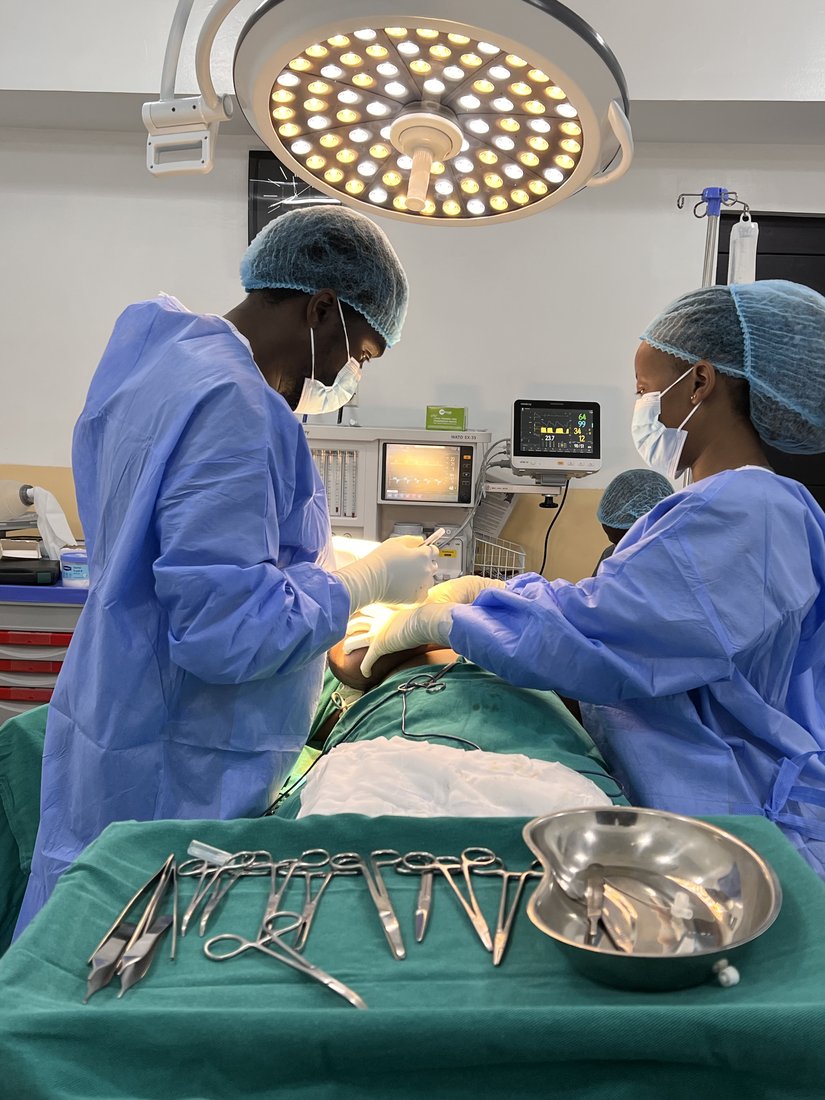
Rhinoplasty procedure - Truffel Healthcare Kilimani

Key Benefits

Improved Facial Harmony

The nose is the central feature of the face. Reshaping it to better complement the surrounding features creates a more balanced, harmonious facial aesthetic.

Corrects Structural Issues

A deviated septum, nasal valve collapse, or enlarged turbinates can impair breathing. Functional rhinoplasty directly addresses these structural problems to restore normal airflow.

Hump Reduction

A dorsal hump along the nasal bridge is one of the most common concerns addressed by rhinoplasty. Precise bone and cartilage reduction creates a smooth, refined profile.

Tip Refinement

A bulbous, drooping, or upturned nasal tip can be reshaped and repositioned to create a more defined, balanced nose that suits the patient's facial proportions.

Long-Lasting Results

Rhinoplasty results are permanent. Once healing is complete and swelling resolves, the reshaped nasal structure remains stable over the long term.

Discreet Scars

Open rhinoplasty scars are placed in the natural crease beneath the columella and are virtually invisible at maturity. Closed rhinoplasty leaves no external scars at all.

The Surgical Process

1

Consultation & Planning

Dr. Matwa conducts a detailed assessment of nasal anatomy, skin thickness, cartilage strength, and the patient's functional and aesthetic goals. Computer imaging may be used to help visualise proposed changes before surgery.

2

Approach Selection

Open or closed rhinoplasty is selected based on the complexity of changes required. Complex tip work or significant structural correction typically warrants the open approach for maximum precision and visibility.

3

Reshaping

Bone, cartilage, and tissue are reshaped according to the surgical plan. Hump reduction, osteotomies to narrow the bridge, tip cartilage sculpting, and septal correction are performed as required.

4

Closure & Splinting

Incisions are closed with fine sutures and an external splint is applied to protect the reshaped structures and support healing during the initial two weeks of recovery.

Rhinoplasty surgical steps - Truffel Healthcare Kilimani
Dr. Matwa Christopher

Founder & Lead Plastic Surgeon · KMPDC Licensed

Recovery Timeline

Wk
1

Splint & Rest

External splint protects the nose. Swelling and bruising around the eyes are normal. Head elevation minimises swelling. No strenuous activity. Follow-up at one week for splint removal.

Wk
2

Splint Removed

Splint and sutures are removed. Most bruising has resolved. Visible swelling is reducing. Most patients are comfortable returning to desk work and light social activities.

Mo
1-3

Shape Emerging

Major swelling has resolved and the new nasal shape is clearly visible. Residual tip swelling is normal and resolves gradually. Return to all normal activities including exercise.

Mo
12

Final Result

Nasal tip swelling is fully resolved and the final shape is apparent. Rhinoplasty results continue refining for up to a full year as residual deep tissue swelling dissipates completely.

Frequently Asked Questions

The final rhinoplasty result is not fully visible until approximately 12 months post-operatively. While the major shape change is apparent within 4-6 weeks once significant swelling has resolved, the nasal tip retains subtle swelling for up to a year, particularly in patients with thicker skin. The result continues to refine gradually throughout this period.
Yes. Functional rhinoplasty addresses structural causes of nasal obstruction, including a deviated septum, turbinate hypertrophy, and internal valve collapse. These corrections can be combined with aesthetic reshaping in a single procedure. Dr. Matwa assesses nasal function during your consultation and can address both aesthetic and functional concerns simultaneously.
Rhinoplasty is performed under general anaesthesia, so there is no pain during surgery. Post-operative discomfort is typically described as pressure and congestion rather than sharp pain. Prescribed pain relief manages the first few days effectively. Most patients find the swelling and bruising around the eyes more bothersome than pain during the recovery period.

Refine Your Profile

Schedule a private consultation with Dr. Matwa Christopher to discuss your rhinoplasty goals and see what is achievable for your unique anatomy.