Breast
Reduction

Achieve lasting relief from discomfort and a beautifully proportioned silhouette with surgical breast reduction by Dr. Matwa Christopher.

Duration
3-4 Hours
Type
General Anaesthesia
Recovery
4-6 Weeks
Book a Consultation

About Breast Reduction

Reduction mammoplasty is surgical reduction of larger-than-normal breasts (Gigantomastia). Causes include benign or malignant tumours, hormonal exposure (oestrogens), genetic and hereditary factors, cystic changes and abscesses, and idiopathic enlargement. The procedure aims to achieve good reduction, good lift, and good projection.

Medical indications include back pain, shoulder pain, neck pain, numbness of the arms and forearms, intertrigo (recurrent skin infections beneath the breasts), and, in extreme cases, shoulder and vertebral dislocations. Emotional indications include low self-esteem, intimacy difficulties, reduced morale, and social distancing. Many patients are also unable to find fitting brassieres or to exercise. School-age girls may experience integration and performance difficulties. Some insurance companies will cover the procedure where a valid medical reason is demonstrated. 95% of patients demonstrate resolution of symptoms within 6 weeks of surgery.

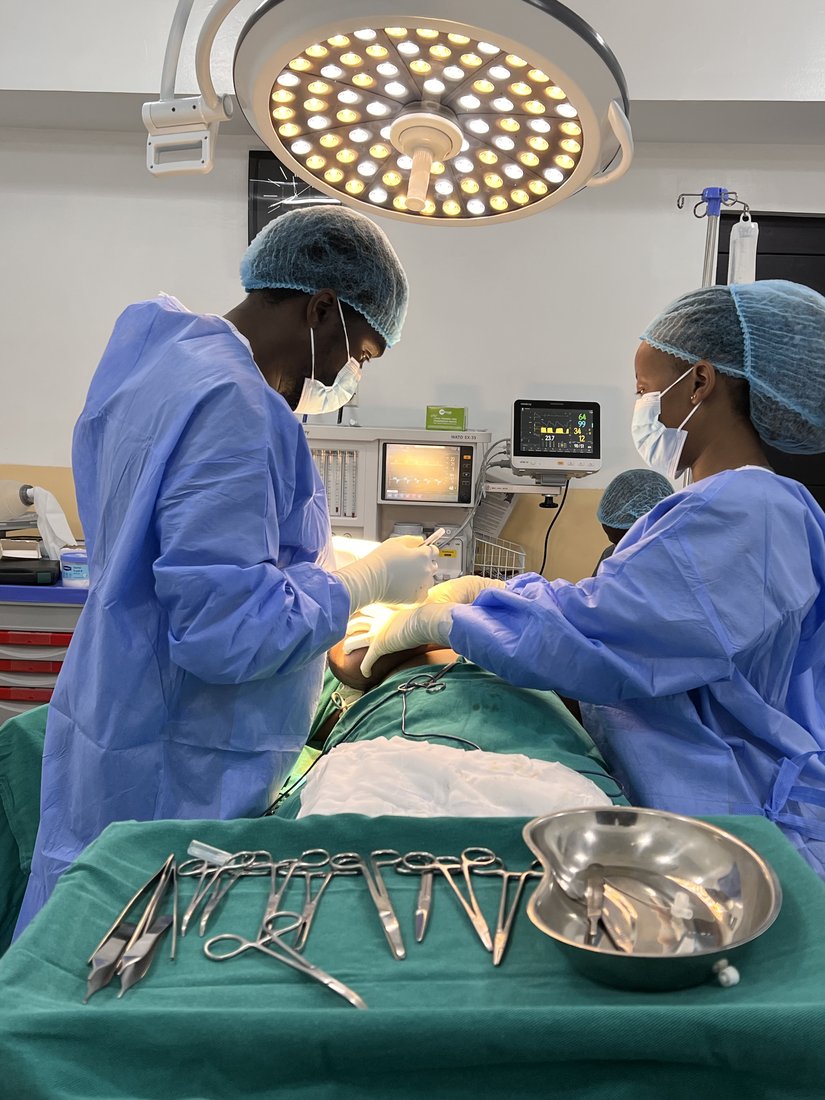
At Truffel Healthcare, Dr. Matwa uses a SHORT VERTICAL SCAR technique, placing incisions along natural body contours so they are not easily visible. The procedure takes 3 to 6 hours under general anaesthesia with a 48 to 72 hour admission. Scar management following surgery includes creams, intralesional injections, medical adhesive tapes, and silicone sheets.

Indicative Cost

From Ksh 400,000 to Ksh 550,000.
Schedule Your Consultation
Breast Reduction at Truffel Healthcare Kilimani

Benefits of Breast Reduction

💆‍♀️

Relief from Back & Neck Pain

Excess breast weight places chronic strain on the spine and neck. Reduction surgery immediately removes this load, providing lasting relief from pain that many patients have endured for years.

🧍‍♀️

Improved Posture

Heavy breasts pull the shoulders forward, causing a characteristic rounded posture. After reduction, patients frequently report a natural improvement in posture and shoulder alignment.

👗

Better Fitting Clothes

Finding well-fitting clothing is a daily challenge for women with disproportionately large breasts. Breast reduction opens up a wider range of comfortable, well-fitting clothing options.

🌸

Reduced Skin Irritation

Skin rashes, moisture-related infections, and persistent irritation beneath large breasts resolve almost entirely following reduction surgery, improving day-to-day comfort significantly.

⚖️

Enhanced Body Proportion

Achieving a breast size in harmony with the rest of the body creates a more balanced, proportionate silhouette - improving both confidence and the way clothes fall on the body.

🏃‍♀️

Improved Physical Activity

Many patients find that exercise, sport, and even daily movement become significantly easier and more enjoyable after reduction - enabling a more active and healthier lifestyle.

The Procedure Step by Step

  1. 1

    Pre-surgical Assessment

    Dr. Matwa conducts a thorough consultation to understand your symptoms, goals, and physical anatomy. Breast measurements, weight, and skin quality are assessed to determine the most appropriate surgical technique. Blood tests and general health screening are completed before your procedure is scheduled.

  2. 2

    Anaesthesia & Marking

    The procedure is performed under general anaesthesia. Before you go into theatre, Dr. Matwa marks the incision lines and new nipple position while you are standing, ensuring accurate placement based on your unique anatomy. The most common incision patterns are the anchor (inverted-T) or vertical (lollipop) approach, depending on the degree of reduction required.

  3. 3

    Tissue Removal & Reshaping

    Excess breast tissue, fat, and skin are carefully removed through the marked incisions. The nipple-areola complex is repositioned to a natural, higher position. The remaining breast tissue is reshaped and lifted to create a rounder, more youthful breast contour. The procedure typically takes three to four hours depending on the amount of tissue being reduced.

  4. 4

    Closure & Dressing

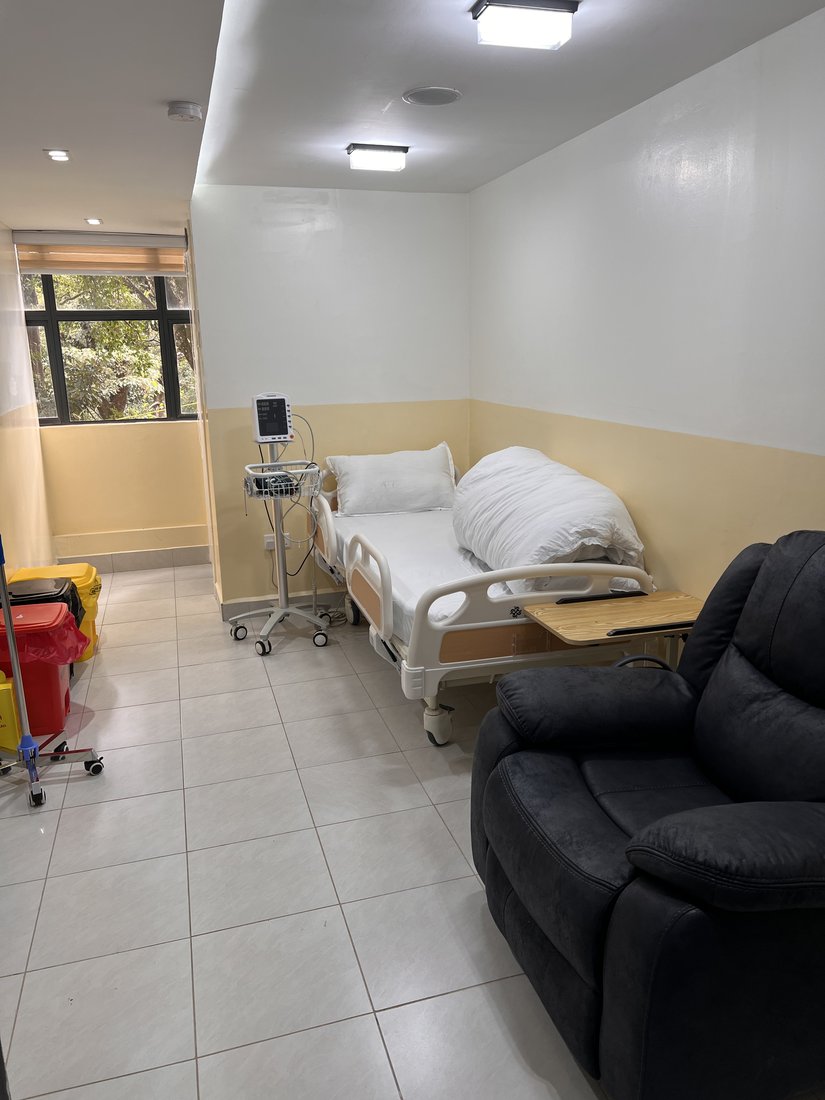
    Incisions are closed with layered sutures and the area is covered with sterile dressings and a supportive surgical bra. Drain tubes may be placed temporarily to prevent fluid accumulation. Most patients spend one night in the facility before being discharged with a clear post-operative care plan and scheduled follow-up appointments.

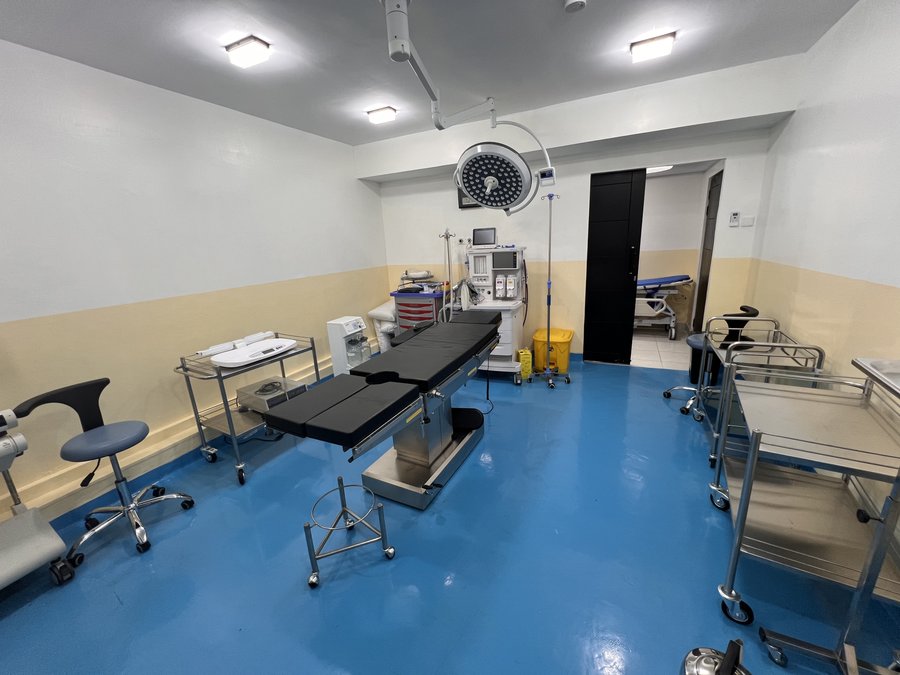
Breast reduction procedure at Truffel Healthcare

Recovery Timeline

1
Days 1-3

Rest & Monitoring

Pain, swelling, and bruising are expected and managed with prescribed medication. You will be in a supportive surgical bra and movement should be kept minimal. A responsible adult should be with you during this initial period. Any drain tubes will be assessed at your first follow-up.

2
Weeks 1-2

Early Healing

Swelling and discomfort reduce noticeably. Stitches or surgical strips are checked at your follow-up appointment. Short, gentle walks are recommended to aid circulation. Avoid stretching, reaching overhead, or any activity that pulls on the incision sites. Sleep on your back in an elevated position.

3
Weeks 3-4

Gradual Return

Most patients can return to sedentary work by the third or fourth week. Driving may resume once you are no longer taking prescription pain relief and can react comfortably. Continue wearing the surgical bra as instructed and avoid underwire bras until cleared by Dr. Matwa.

4
Months 2-3

Full Recovery

By months two to three, swelling has fully resolved and the breasts have settled into their final shape. Scars will continue to mature and fade over the following year. Exercise and physical activity can resume fully. Most patients report a significant improvement in comfort, posture, and quality of life at this stage.

Frequently Asked Questions

A C or D cup is achieved in most patients, though the final result is subject to breast density and the amount of tissue present. Dr. Matwa discusses the target size in detail at your consultation and sets realistic expectations based on your anatomy.
Ladies who have breastfed before should generally be able to breastfeed again after reduction mammoplasty. For those who have not previously breastfed, there is no guarantee that breastfeeding will be possible after the procedure, and this risk is discussed fully at your consultation.
The chances of significant regrowth are minimal for most patients. Teenagers are at higher risk of regrowth as the body continues to develop. Significant weight gain, pregnancy, or hormonal changes can also affect breast size after surgery. Dr. Matwa recommends that patients planning future pregnancies discuss the timing of surgery at their consultation.
Scarring is an expected part of breast reduction surgery. The most common incision patterns leave scars around the areola, vertically down to the breast fold, and sometimes horizontally along the fold (anchor or lollipop pattern). Initially, scars will be pink and slightly raised. Over 12-18 months they gradually fade to a faint, flat line. Dr. Matwa provides a scar management protocol - including silicone gel, sun protection, and massage - to support optimal healing.
Light walking can begin within the first week to promote circulation. Low-impact activities can typically resume from weeks four to six, depending on your recovery progress. High-impact exercise, sports, and any activity that causes significant breast movement or strain on the chest wall should be avoided for six to eight weeks. You will be given specific clearance by Dr. Matwa at your follow-up appointments before resuming each activity level.
Changes in nipple and breast sensation are possible following reduction mammoplasty. Some patients experience temporary numbness, increased sensitivity, or tingling in the weeks after surgery as nerves recover. In the majority of cases, sensation returns to normal within three to six months. In rare instances, some degree of altered sensation may be permanent. This risk is discussed fully during your consultation so you can make a fully informed decision.
Good candidates for breast reduction are women who experience physical symptoms from their breast size - including back, neck, or shoulder pain; skin irritation; restricted physical activity; or difficulty finding well-fitting clothing. Candidates should be in generally good health, non-smokers (or willing to stop smoking for the required period), and have realistic expectations about the outcome. A pre-operative consultation and medical assessment with Dr. Matwa will confirm your suitability and allow the best surgical plan to be made for you.

Ready for Comfort and Confidence?

Relief from years of discomfort is possible. Book a private consultation with Dr. Matwa Christopher at Truffel Healthcare Kilimani and take the first step towards a lighter, more comfortable you.

Truffel Healthcare
Hi there! 👋 Chat with us on WhatsApp.