Blepharoplasty (Eyelid Surgery)

Refresh tired eyes with precise upper and lower eyelid correction.

Duration: 1-2 Hours
Type: Local Anaesthesia
Recovery: 1-2 Weeks
Book a Consultation

What Is Blepharoplasty?

Blepharoplasty removes excess skin, muscle, and fat from the upper eyelids, lower eyelids, or both. It is indicated for eyebags and puffy eyes associated with ageing or hereditary conditions. At Truffel Healthcare, the procedure is performed under general or local anaesthesia. A subciliary incision is used for the lower eyelid and a supratarsal fold incision for the upper eyelid, placing scars within natural creases where they heal discreetly.

Downtime ranges from 3 days to 3 weeks. Swelling and bruising resolve progressively during this period. Results are long-lasting, typically 10 years or more, as removed skin and fat do not return.

Indicative Cost

From Ksh 150,000 per eyelid.
Schedule a Consultation
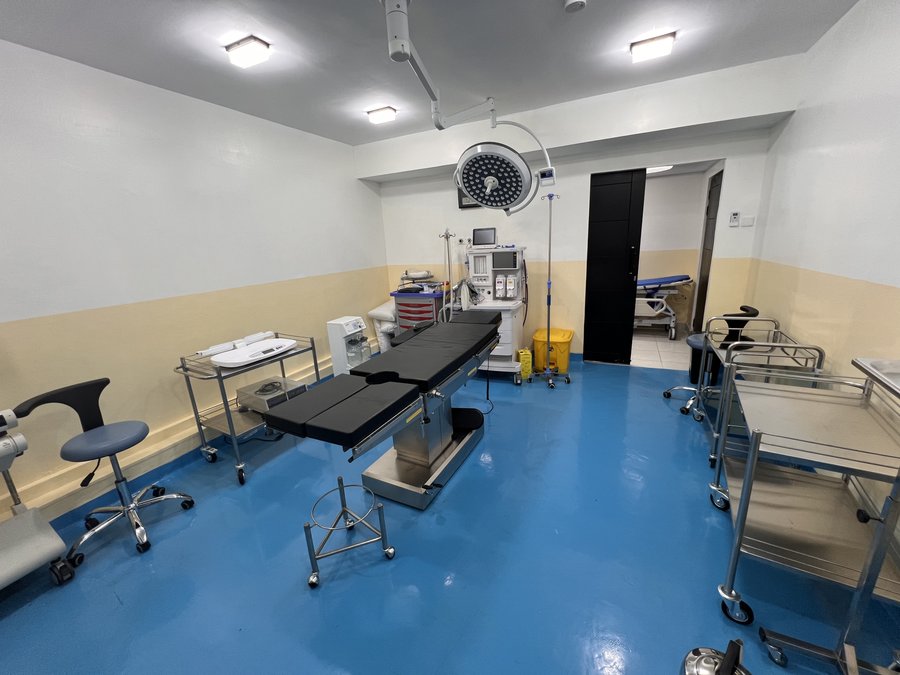
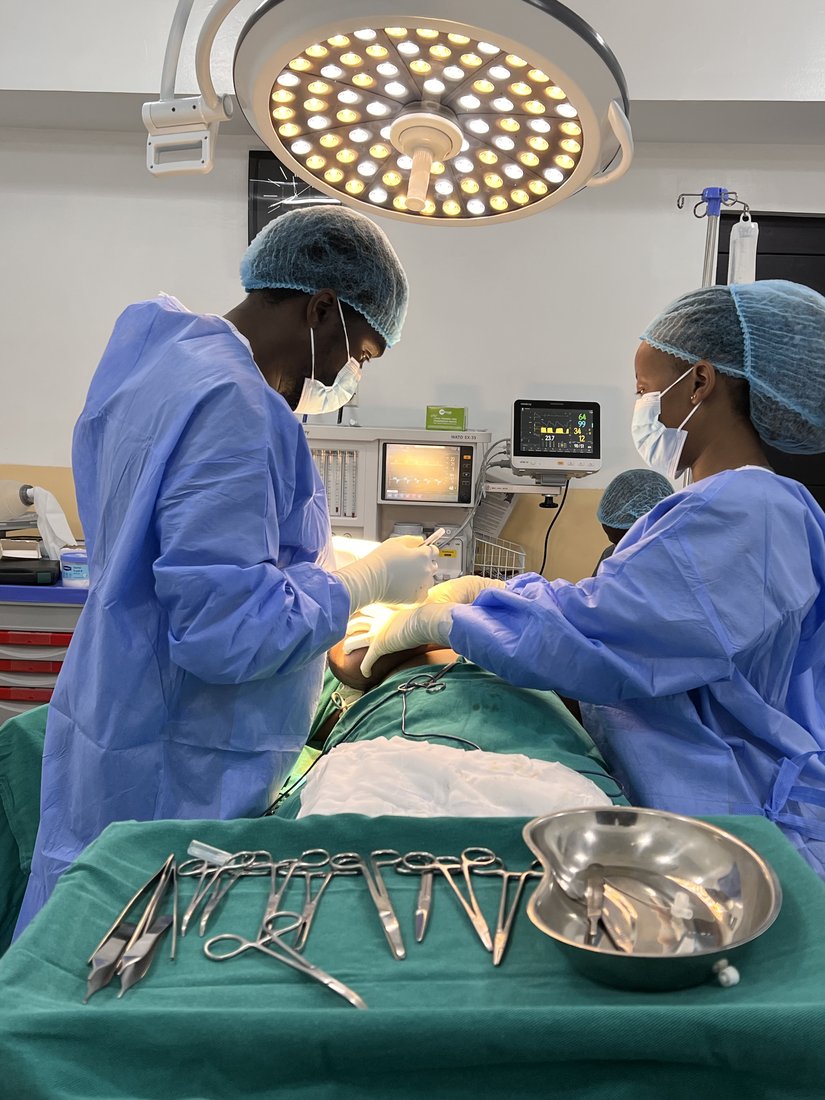
Blepharoplasty procedure - Truffel Healthcare Kilimani

Key Benefits

Refreshed Appearance

Removing excess upper lid skin and under-eye bags immediately creates a more rested, alert, and youthful appearance, often taking years off the face.

Can Improve Vision

Severely drooping upper eyelid skin can obstruct the superior visual field. Upper blepharoplasty corrects this, restoring an unobstructed field of vision.

Addresses Under-Eye Bags

Herniated lower lid fat, which creates persistent under-eye puffiness regardless of sleep or hydration, is directly addressed through lower blepharoplasty.

Long-Lasting

Blepharoplasty results are very long-lasting, typically 10 years or more. Skin and fat removed during surgery do not return, though gradual ageing of adjacent tissues continues naturally.

Minimal Downtime

Most patients feel comfortable returning to non-strenuous activities within 7-10 days. The relatively short recovery period makes blepharoplasty one of the most popular facial procedures.

Discreet Scars

Upper lid incisions heal within the natural lid crease and are invisible at maturity. Lower lid incisions, when used, are placed just below the lash line and become imperceptible.

The Surgical Process

1

Consultation & Planning

Dr. Matwa assesses upper and lower lid laxity, fat herniation, skin quality, and any functional impact on vision. The appropriate approach (upper, lower, or combined) is planned with the patient's goals and anatomy in mind.

2

Anaesthesia

Upper blepharoplasty is performed under local anaesthesia with optional sedation. Lower blepharoplasty may require sedation or light general anaesthesia depending on the technique and extent of the procedure.

3

Eyelid Correction

Excess skin and herniated fat are precisely excised or repositioned. The amount removed is carefully calibrated to ensure full natural eye closure is preserved throughout the healing period.

4

Closure & Recovery

Fine sutures close the incisions. Cold compresses are applied in recovery to minimise swelling. Sutures are removed at 5-7 days and most bruising has resolved within 10-14 days.

Blepharoplasty surgical steps - Truffel Healthcare Kilimani
Dr. Matwa Christopher

Founder & Lead Plastic Surgeon · KMPDC Licensed

Recovery Timeline

Day
1-3

Swelling Peak

Maximum swelling and bruising around the eyes. Cold compresses applied regularly. Head elevation is important. Lubricating eye drops prescribed to prevent dryness.

Day
5-7

Suture Removal

Fine sutures are removed. Bruising transitions from purple to yellow-green. Most patients feel comfortable going outdoors with sunglasses to protect and conceal healing lids.

Wk
2

Social Return

Most bruising and swelling has resolved. The majority of patients are comfortable returning to work and social activities, using light make-up to conceal any residual discolouration.

Mo
2-3

Final Result

All swelling has resolved. Incision scars have faded within the natural lid crease. The refreshed, rested eyelid appearance is now fully visible and long-lasting.

Frequently Asked Questions

Yes. Blepharoplasty is frequently combined with a brow lift, facelift, or neck lift for comprehensive facial rejuvenation. It is also commonly combined with non-surgical treatments such as dermal fillers for the tear trough. Combining procedures reduces total recovery time and anaesthetic exposure.
When correctly performed, blepharoplasty should not change the fundamental shape, position, or character of the eyes. The goal is to remove only what is excess, leaving the natural eye shape intact. Dr. Matwa takes care to preserve the natural lid crease and avoid over-correction.
Blepharoplasty is performed under local anaesthesia and is generally well-tolerated. Post-operative discomfort is mild, typically described as tightness, dryness, or sensitivity rather than pain. Prescribed eye drops and mild analgesia manage any discomfort effectively during the first few days of recovery.

Refresh Your Eyes

Schedule a private consultation with Dr. Matwa Christopher to discuss blepharoplasty and what it can achieve for you.